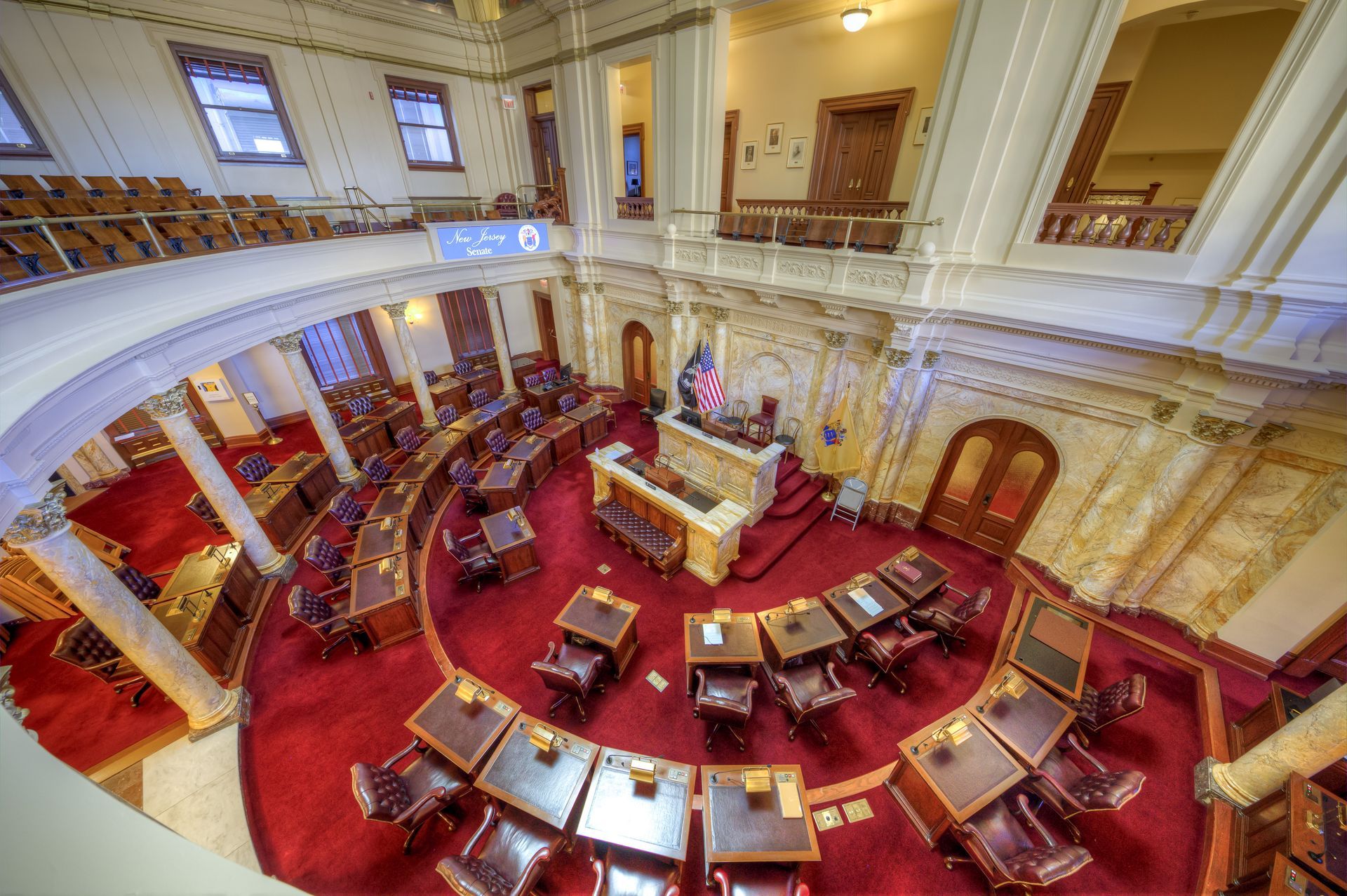
We’re seeing a wave of homeschooling restriction bills move across the nation, and I wanted to be sure you know about it, watch for it, and stand against it when necessary. Since the COVID pandemic of 2020, the popularity of homeschooling has been on the rise. Now, opponents of homeschooling have found a formula to fight back: Find a horrible child abuse death in the target state, connect the death to homeschooling (whether it applies or not), then exploit the child’s death to drive legislation restricting homeschool freedoms. It started last winter in Connecticut , where the tragic death of 11-year-old Jacqueline “Mimi” Torres-Garcia was exploited to pass H.B. 5468 , a new law that prevents any parent from homeschooling until their school district first checks with the Department of Children and Families. If anyone in the household has an open case or is on the state’s child abuse and neglect registry, such individuals are not allowed to homeschool. But every family, including every innocent family, must wait two weeks or more for the state to carry out its check. In New York , proponents of Senate Bill 10715 highlight the horrible deaths of four children—Harper, Hudson, Gavin, and Gracelynn Myers—in Mechanicsville, NY, as reason to restrict homeschooling. Like Connecticut’s law, this bill would empower a school district to prohibit a family from removing their child for home instruction until a review can be conducted to see if there is a pending child abuse investigation or either custodial parent has been convicted of certain crimes. Every family is presumed guilty until their name is cleared. Now it’s on to New Jersey , where the tragic October 13 death of 9-year-old Maya Thomas is being used (already!) to drive mandatory wellness checks for all home-schooled children. The legislation is Senate Bill 741 (S741) . “The local legislators say annual home visits would alert authorities to children trapped inside violent homes,” according to a report at the Daily Journal . The checks would be carried out, says the report, “by a counselor, nurse or social worker employed by the school district.” At first, perhaps some of these actions may seem beneficial. They would allow local school officials to set eyes on every child, to look for any signs that abuse may be occurring. But two huge principles must first be considered: First is the timeless maxim, “extreme cases make bad policy.” Using a case of horrendous abuse as justification to target large swaths of the innocent public is always a bad idea. That each of the efforts listed above is being tied to a heart-tugging story of tragic death by abuse should be sounding alarms. Lawmakers are asked to make a quick, emotional decision, though we know such decisions are rarely wise . Second, in the words of the U.S. Supreme Court, “The statist notion that governmental power should supersede parental authority in all cases because some parents abuse and neglect children is repugnant to American tradition. ” Parham v. J.R. 442 US 584 (1979) at 603. Innocent parents have rights, the benefits of which are shared with their households—rights to security in their homes, to a certain level of autonomy, to make educational decisions for their children. Exercising these rights must not in and of itself make them suspect. The fact that evil parents exist does not give the State power to treat all parents as evil. We believe, rather, that “Natural bonds of affection lead parents to act in the best interests of their children.” ( Parham at 602) Efforts to put homeschooling families under the microscope will only exacerbate the real problem, which is that Departments of Child Services aren’t paying enough attention to the potentially abused children already on their radar. The Connecticut bill mentioned above has already been signed into law. We will alert those of you in New York or New Jersey if either of those bills starts to move, but we invite you right now to contact your state lawmakers and encourage them to resist these efforts. And if you live elsewhere, we will keep you posted if similar bills crop up in your state. Thank you for standing with us to protect children by empowering parents—even if those parents choose to homeschool.
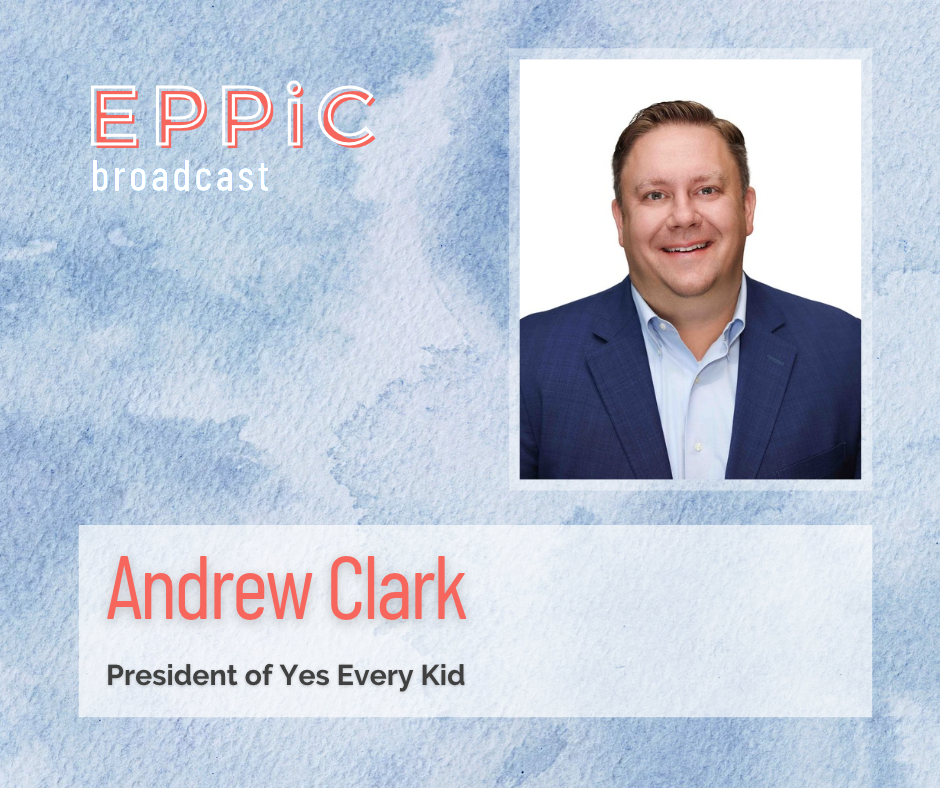
Andrew Clark is the founder and president of Yes Every Kid, an organization which works to change the nation's standardized approach to education, pushing towards a focus on serving the unique needs of every student. He is also a veteran of the Stand Together community, and a skilled lobbyist and political tactician, having worked on state policies ranging from food trucks to Social Security. Today, he and Michael discuss the recent survey done by Yes Every Kid on educational freedom in America. Many parents feel that the values they hold are not addressed or considered by the US educational system, which tends to "teach to the test" rather than taking a more nuanced approach. They discuss who is--and who should be--making the decisions about our kids' education. They also talk about government overreach in the homeschooling laws of some states. The EPPiC Broadcast is hosted by Michael Ramey, President of the Parental Rights Foundation. Stay informed on parental rights news by signing up for email alerts at https://parentalrightsfoundation.org/get-involved/ .
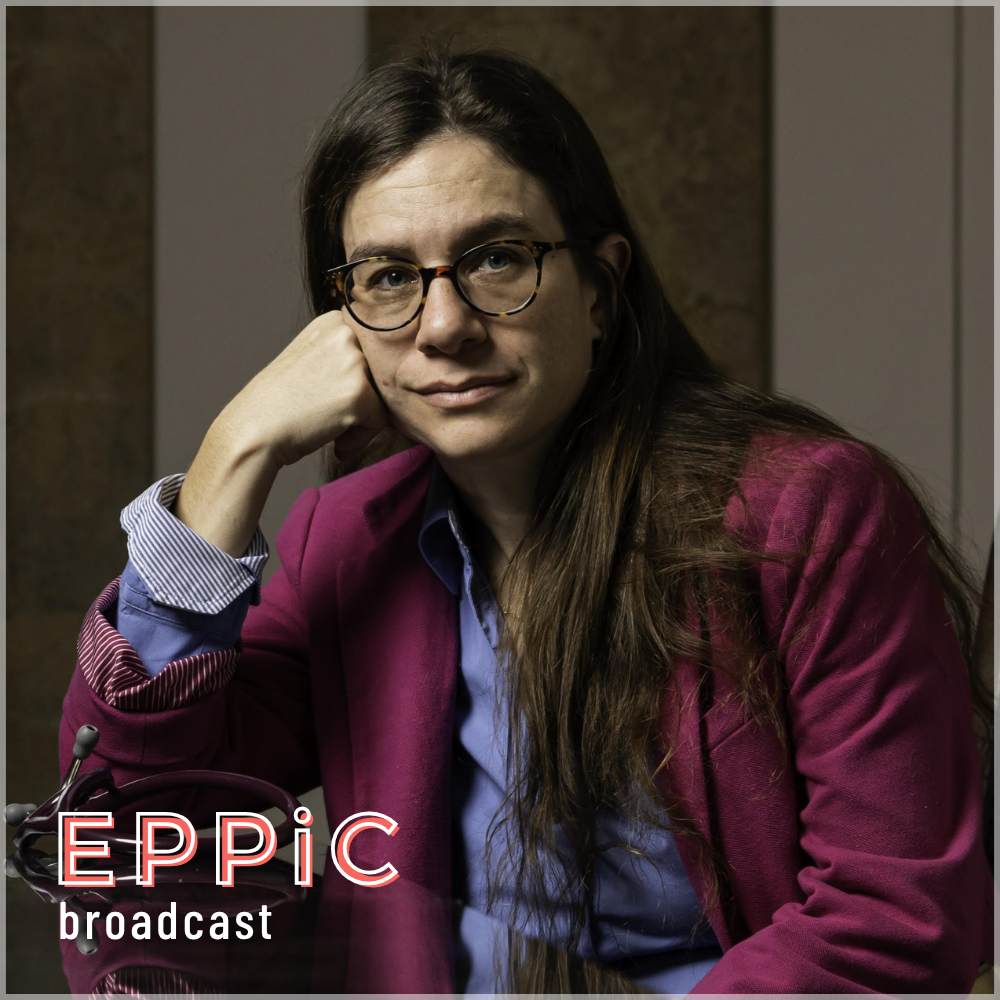
Doctor Mical Raz is a professor of Public Health & Policy, History, and Clinical Medicine at the University of Rochester. Mical earned her PhD and MD from Tel Aviv University in 2007 and 2009, respectively, and has since completed her residency and post-doctoral fellowships at Yale and the University of Pennsylvania. She has written numerous journal articles on child welfare and is the author of four books. Today’s conversation revolves around her conclusions from her most recently released book, Breaking Families, Making Families: Adoption & Child Welfare in the 1990s. Starting from the early 1970s and onwards, she discusses the state of our child welfare system and how we have found ourselves here today. Evaluating the effectiveness of policies such as Termination of Parental Rights (TPR), Families First Movement, and Adoption and Safe Families Act (ASFA), Mical encourages the audience to think critically about how we have gotten to where we are today and what changes can be made to better support families going forward. The EPPiC Broadcast is hosted by Michael Ramey, President of the Parental Rights Foundation. Stay informed on parental rights news by signing up for email alerts at https://parentalrightsfoundation.org/get-involved/ .
Last week I attended the policy summit of the American Legislative Exchange Council, an association of conservative policy organizations, private sector organizations, and state lawmakers, to present the need to take up reform legislation. Specifically, I presented the need to replace “anonymous reporting” with “confidential reporting” to child abuse hotlines. The following is taken from…
The post Why We Need “Confidential Reporting” Reform appeared first on Parental Rights Foundation.

Ideas that take root in the United Nations have an unsettling tendency to eventually make their way into America’s courtrooms. That’s why the Parental Rights Foundation submitted a comment to the United Nations’ Special Rapporteur on Child Privacy last month, urging respect for the privacy of the child’s family and home, and not just the…
The post Do Children Have a Right to Family Privacy? appeared first on Parental Rights Foundation.
The second season of the Parental Rights Podcast launched Tuesday, under a different name: the EPPiC Broadcast. Launched in January of this year, the Parental Rights Podcast’s first season featured such guests as the Jennifer Pelletier family, law professor Maxine Eichner, New York City activist Joyce McMillan, and constitutional law professor William Wagner. Season one…
The post New Name, Same Aim appeared first on Parental Rights Foundation.